
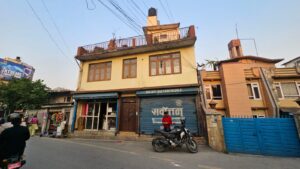


Navigate the complex real estate market of Kathmandu with our comprehensive buyer’s guide.
Navigating the Real Estate Market in Kathmandu
Navigating the real estate market in Kathmandu can be daunting for first-time buyers. With rapidly changing prices and complex legal procedures, it’s crucial to be well-informed before making such a significant investment.
1. Understand the Measurements
Before you even start looking at properties, you need to understand the local measurement system. In Kathmandu and the surrounding hilly regions, land is measured in Aana, Paisa, and Dam. One Aana is equal to 342.25 square feet. A standard residential plot is usually between 3 to 5 Aana.
Land Measurement Conversion Chart
| Unit | Square Feet | Square Meter | Aana |
|---|---|---|---|
| 1 Aana | 342.25 | 31.80 | 1 |
| 1 Ropani | 5,476 | 508.72 | 16 |
| 1 Bigha | 72,900 | 6,772.63 | 213 |
| 1 Dhur | 182.25 | 16.93 | 0.53 |
2. Location is Everything
The golden rule of real estate holds exceptionally true in Kathmandu. Areas like Budhanilkantha and Bhaisepati offer peaceful suburban living, while spots like Baneshwor or Lazimpat are perfect for those who want to be in the center of the action.
Key Factors When Choosing a Location:
- Road Access: Ensure the property has proper vehicle access and is connected to a main road or ring road.
- Water Supply: Check if the area has Melamchi water supply lines or a reliable boring water source.
- Elevation: Avoid low-lying areas prone to flooding during the monsoon season.
- Nearby Amenities: Proximity to schools, hospitals, markets, and public transport adds value to any property.
- Future Development: Look for areas with planned infrastructure like Outer Ring Road or metro projects.
“Always consider the accessibility to major roads, water supply (Melamchi lines), and the elevation of the land to avoid flooding during the monsoon season.”
3. Legal Verification (Lalpurja)
Never skip the legal checks. Ensure the seller has the original land ownership certificate (Lalpurja) and verify it at the local Malpot Karyalaya (Land Revenue Office). Check for any ongoing disputes, road clearance issues, or bank mortgages on the property.
Legal Verification Steps:
- Verify Lalpurja: Check the original land ownership certificate at the Land Revenue Office (Malpot Karyalaya).
- Check for Disputes: Visit the local ward office and verify that no legal disputes or claims are pending on the property.
- Road Clearance: Confirm with the municipality that the land is not affected by road expansion plans or government acquisition.
- Bank Mortgage Check: Ensure the property is not under any bank mortgage or lien by checking with the local land revenue office.
- Hire a Lawyer: Always engage a registered property lawyer to review all documents before signing the agreement.
4. Average Property Prices by Area
Understanding the prevailing market rates across different locations in Kathmandu Valley will help you negotiate better and set a realistic budget.
Average Price Per Aana (2023)
| Location | Price Range | Demand |
|---|---|---|
| Budhanilkantha | Rs. 35-55 Lakh | High |
| Baneshwor | Rs. 60-90 Lakh | Very High |
| Bhaisepati | Rs. 25-45 Lakh | Medium |
| Lazimpat | Rs. 80-1.2 Cr | Very High |
| Tokha | Rs. 20-35 Lakh | Medium |
| Baluwatar | Rs. 70-1 Cr | High |
5. Additional Costs to Consider
Beyond the listed property price, buyers should budget for several additional expenses that are part of the purchase process.
- Registration Fee: Government charges approximately 4-6% of the property value for land registration.
- Capital Gains Tax: The seller typically pays this, but it can affect the negotiated price.
- Agent Commission: Real estate agents typically charge 2-3% of the deal value.
- Legal Fees: Lawyer fees for due diligence and documentation review.
Conclusion
Buying property in Kathmandu is highly rewarding if done correctly. Take your time, consult with registered agents, and don’t rush into decisions based purely on aesthetics.